

Yes, the 2025 Africa Cup of Nations (AFCON) had its flaws with controversial officiating but none of that changes the bigger truth that Morocco staged a tournament that celebrated African football.
The 2025 Africa Cup of Nations (AFCON) will be remembered as one of the finest editions in the tournament’s long and proud history.
The month-long football spectacle went far beyond goals and tactics as it became a celebration of African culture, unity, and sporting excellence.
From state-of-the-art infrastructure and seamless transportation to passionate crowds and unforgettable matches, AFCON 2025 reaffirmed why the competition remains one of the most compelling international tournaments in world football.
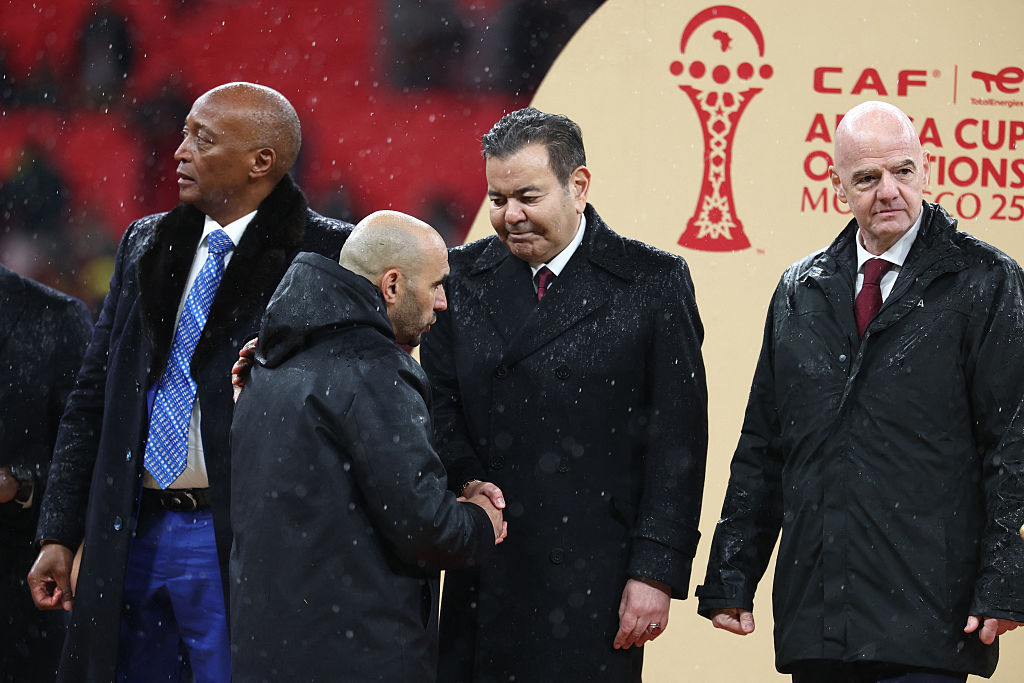
Despite late controversy surrounding the final, the overall success of the tournament should not be overshadowed. Instead, Morocco’s hosting has set a new benchmark for African football and reinforced AFCON’s growing global relevance.
AFCON 2025 transcended football
It was a cultural festival as six historical Moroccan cities hosted 24 African nations, welcoming fans from across the continent and the global African diaspora.
Cities such as Rabat, Casablanca, Marrakech, Fez, Tangier, and Agadir came alive with music, colour, and celebration.
Stadiums were packed, fan zones buzzed with activity, and local businesses flourished as visitors immersed themselves in Moroccan hospitality.
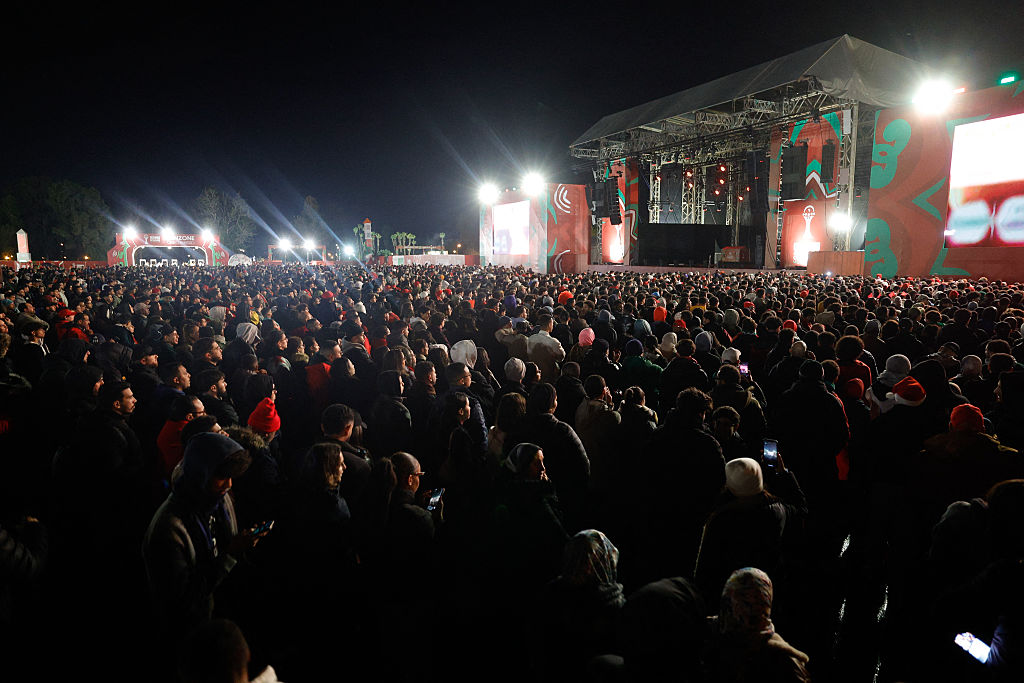
What stood out most was how seamlessly Morocco combined football with cultural identity, from traditional cuisine to music and street festivals, AFCON 2025 felt like a showcase of African pride, not just a sporting competition.
A new standard for African development
One of the most impressive aspects of AFCON 2025 was Morocco’s infrastructure and they demonstrated why they are viewed as one of Africa’s most capable sporting hosts.
The rail network connecting Fez, Rabat, Casablanca, and Marrakech made travel between host cities efficient and affordable.
Fans could attend matches in different cities without the logistical chaos that has plagued previous tournaments.
Even cities like Tangier and Agadir, though geographically distant, were well integrated into the tournament thanks to Morocco’s modern transport system.
At the heart of Morocco’s footballing vision lies the Mohamed VI Football Complex, a facility widely regarded as one of the best training centres in the world with 10 world-class training pitches amongst other facilities.
It was no surprise that Nigeria midfielder Alex Iwobi, a former England youth international, compared the Mohamed VI Complex to England’s St George’s Park in Staffordshire.
In addition, the complex served as a blueprint for how African football infrastructure should be developed and it is no exaggeration to conclude that Morocco delivered an organisational standard comparable to major FIFA tournaments.
African football excellence takes centre stage
Back to the pitch, the 2025 Africa Cup of Nations delivered thrilling football action from start to finish, with Morocco waiting until the second half to score two goals against Comoros and Senegal’s hard-fought win against the hosts in the final game.
With four African coaches – Walid Regragui (Morocco), Pape Thiaw (Senegal), Eric Chelle (Nigeria), and Hossam Hassan (Egypt)- guiding their teams into the last four, the tournament showcased Africa’s tactical sophistication, depth of talent, and competitive balance.
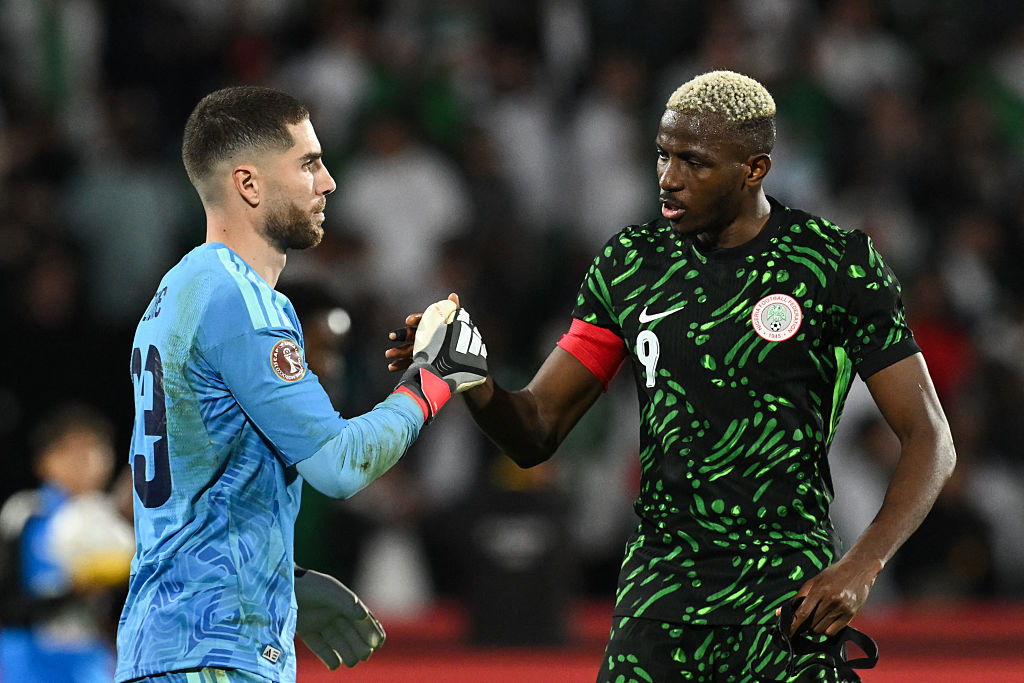
A total of 121 goals were scored in the tournament which further asserted the rise of the continent’s explosive forwards like Brahim Diaz, Victor Osimhen, Mohamed Salah, Amad Diallo, Ademola Lookman and Sadio Mane.
Similarly, the impact of goalkeepers who showed the world that they can’t be ignored, from Edouard Mendy who made a historic penalty save in Sunday’s final to Stanley Nwabali who made two penalty saves in the third-place match against Egypt and Yassine Bounou’s brilliance as the tournament’s best shot-stopper.
AFCON 2025 shouldn’t be defined by final stain
Several irregularities marred Sunday’s final match between Senegal and Morocco at the Prince Moulaye Abdellah Stadium but it would be grossly unfair to allow these moments define the success of the 35th edition of the Africa Cup of Nations.
In comparison to the World Cup, the Euros and the UEFA Champions League, there have been controversial finals but the controversial incidents do not erase weeks of planning, world-class action and fans’ unity.
Sunday’s events – the controversial disallowed Senegal goal and the disputed penalty call – should prompt a deeper reflection and better officiating standards, and not overshadow Morocco’s organisational success.