

College Football players can move around as freely as coaches
NCAA College Football Free Agency Meets the Playoff Stage
It is free agent season in college football, which remains an odd and uncomfortable moment for the sport. On one level, the timing feels completely misaligned. The College Football Playoff is still underway, with semifinal games being played and the national championship scheduled for January 19th. On another level, the academic calendar has already moved forward. The second semester has begun, yet a growing number of so-called “student-athletes” are already searching for new schools. The idea that players are students first and athletes second feels increasingly outdated in this environment.
That reality does not make player movement wrong. Athletes are doing what professionals have always done: seeking better opportunities, both in terms of playing time and financial security. The discomfort comes from how openly college football now mirrors the professional game, even while administrators continue to pretend otherwise.
Coaching Mobility and Double Standards
The University of Miami will face the University of Mississippi in one of the playoff games, and Mississippi has already suffered a significant free agency loss of its own. Head coach Lane Kiffin left the program late in the 2025 season to take the job at Louisiana State University. While Kiffin did not technically break his contract due to an opt-out clause, the result was the same. He was unable to coach Mississippi during the tournament.
Despite this, NCAA leadership continues to complain loudly about players leaving programs. The hypocrisy is hard to ignore. Coaches routinely move from one job to another, often chasing more money, better resources, or a clearer path to championships. When players do the same, it is framed as a crisis threatening the integrity of college sports.
Quarterbacks on the Move
The other playoff matchup between the University of Indiana and the University of Oregon offers an even clearer picture of the new reality. Both starting quarterbacks in that game transferred schools in search of better futures.
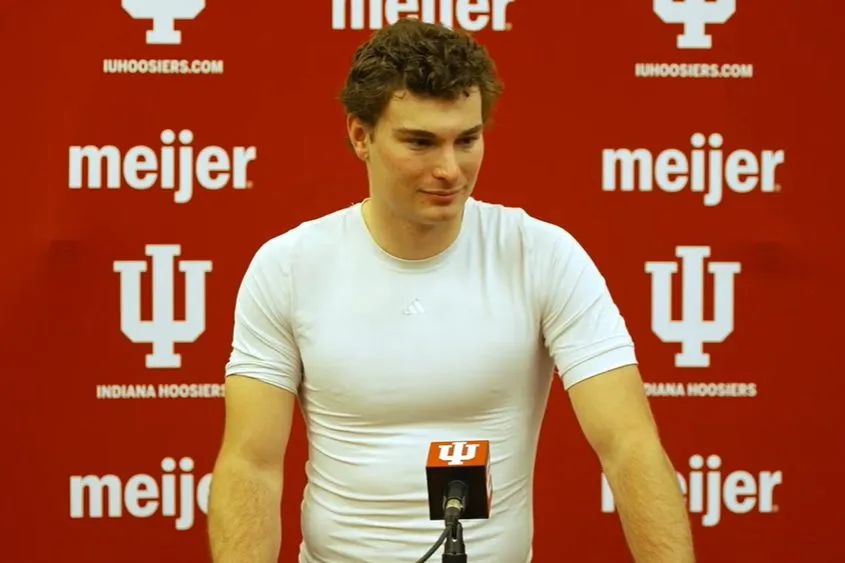
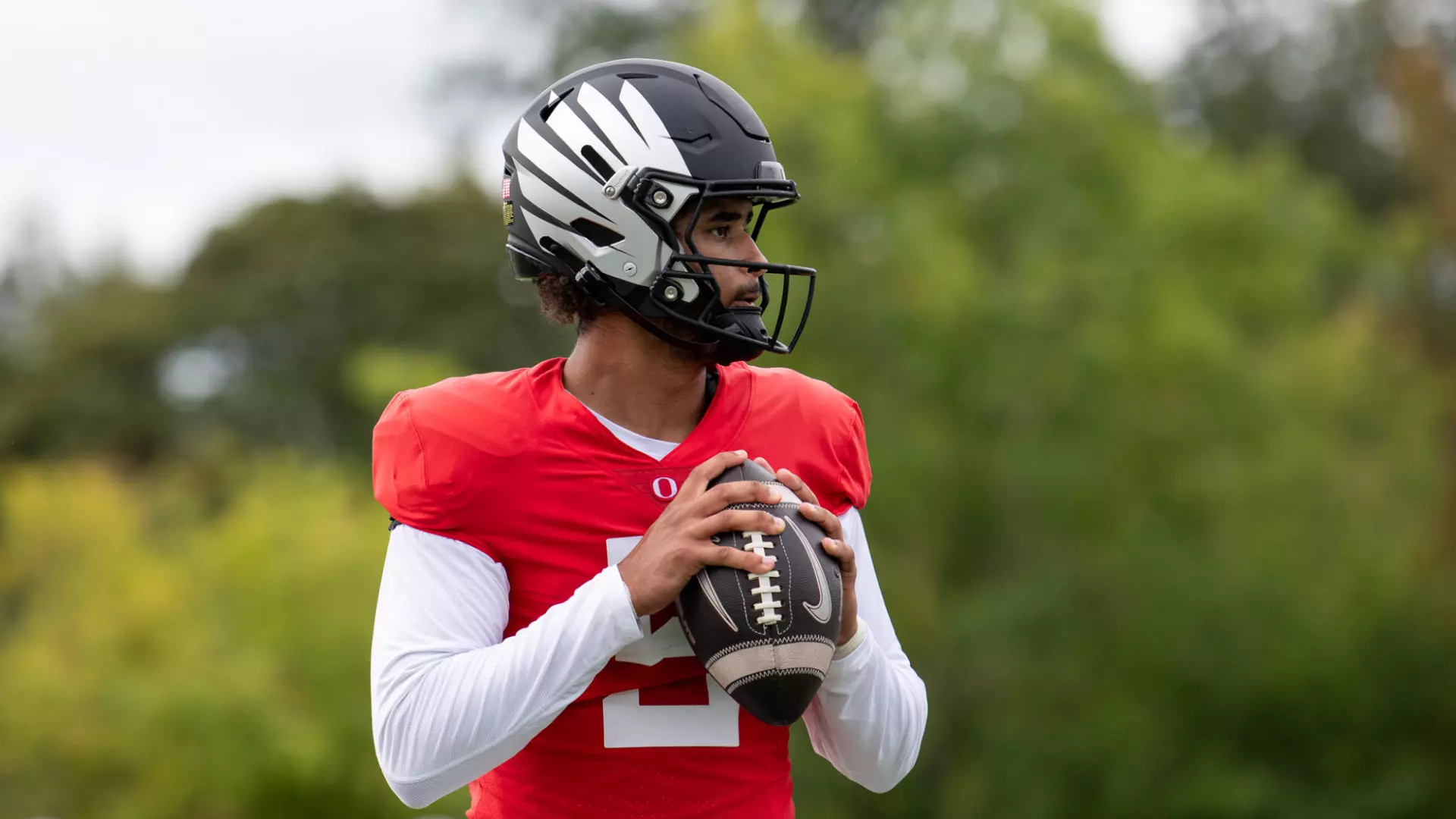
Indiana’s Fernando Mendoza transferred from the University of California to Indiana in December 2024. His motivation was simple. He wanted a better opportunity to maximize his NFL potential, and that decision paid off. Oregon’s Dante Moore followed a similar path. After his freshman year at UCLA in 2023, Moore transferred to Oregon, also seeking improved development and exposure for the next level. Like Mendoza, he achieved that goal.
A Business, Not a Classroom Ideal
These examples highlight the truth that many college administrators are reluctant to accept. The “student-athlete” now controls his own destiny in ways that were unthinkable a decade ago. That shift has caused deep concern among college presidents, chancellors, and provosts who long for a return to the old system. But that system no longer exists.
College sports has become a business in every meaningful sense. The players have recognized it, adapted to it, and begun acting accordingly. The rest of the industry will have to catch up, whether it likes it or not.
Evan Weiner’s books are available at iTunes – https://books.apple.com/us/author/evan-weiner/id595575191
Evan can be reached at evan_weiner@hotmail.com