

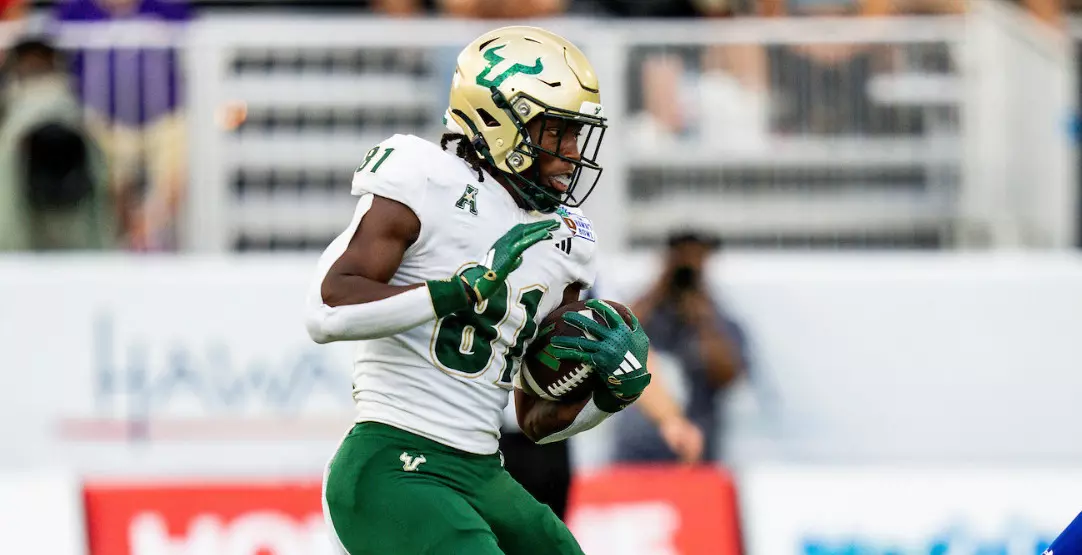
Last night may have been the first unmistakable sign that we’re witnessing the beginning of the end of postseason bowl games as we’ve come to know them. South Florida’s appearance in the Cure Bowl looked more like a spring scrimmage than a December showcase. Missing four offensive starters — including quarterback Byrum Brown — the Bulls (9–4, 6–2 American) saw their normally explosive offense sputter in a 24–10 loss to Old Dominion (10–3, 6–2 Sun Belt) at Orlando’s Camping World Stadium.
MUST READ SPORTS TALK FLORIDA HEADLINES
Instead of seeing USF at full strength, fans were treated to quarterback Gaston Moore making the first start of his career and interim head coach Kevin Patrick trying to steer a depleted roster through a bowl game that never found its rhythm. ODU, also without its starting quarterback and several key contributors, wasn’t much sharper, but the Monarchs made fewer mistakes and did just enough to grind out a win in a matchup that at times bordered on unwatchable.
Over 200 Players and Dozens of Coaches Missing in 2025 Bowls
The 2025 college football postseason has exposed the fragility of the traditional bowl system. More than 200 players have opted out of bowl games, including 27 from Clemson in the Pinstripe Bowl and at least a dozen from Memphis in the Gasparilla Bowl in Tampa. These absences, combined with 10–15 head coaches leaving programs for new jobs or being fired, have left many bowls with depleted rosters and interim staffs. What was once a showcase of college football’s best talent has increasingly become a patchwork of backups and transitional leadership.
Why Players and Coaches Are Skipping Bowl Games
The reasons for this exodus are clear. For players, the NFL Draft and transfer portal loom larger than any non-playoff bowl. Draft prospects avoid injury risk, while portal entrants focus on securing new opportunities. Coaches, meanwhile, are swept up in the annual carousel of firings and hirings, with universities prioritizing recruiting stability over bowl preparation. As CBS Sports, ESPN, and USA Today have reported, the expanded College Football Playoff has only magnified the divide: playoff games retain stars and coaches, while other bowls are left behind.
Impact on Communities, ESPN, and Sponsors
The ripple effects extend far beyond the field. Communities that host bowls — from Tampa to New York — rely on tourism, hotel bookings, and local spending tied to these games. With diminished rosters and waning fan interest, the economic impact shrinks. For ESPN, which holds the rights to most bowls, the decline is even more pressing. Advertisers and sponsors, already frustrated by the absence of marquee players and coaches, see less return on investment. NBC Sports and Fox Sports analysts have noted that sponsors are questioning whether their dollars are better spent on playoff games, where the stakes and star power remain intact.
The Future: A Five-Year Projection
Looking ahead, the trajectory is sobering. By 2026–2027, expect sponsors to consolidate around playoff games, leaving smaller bowls scrambling for relevance. By 2028, ESPN may reduce coverage of lower-tier bowls, focusing resources on the CFP. By 2029, communities that once thrived on bowl tourism could see their events vanish. And by 2030, with a 16-team playoff fully entrenched, the majority of non-playoff bowls may disappear altogether. The nostalgia of bowl season will fade, replaced by a streamlined postseason centered on playoff rounds.
The sad reality is that the expanded playoff, combined with player opt-outs and coaching turnover, signals the end of bowl games as we know them. What was once a cherished tradition is giving way to a new era, where only the playoff matters and the smaller bowls become relics of college football’s past.