

Martin Luther King Jr. had a huge impact on the sports world
Remembering Dr. King Beyond the Playing Field
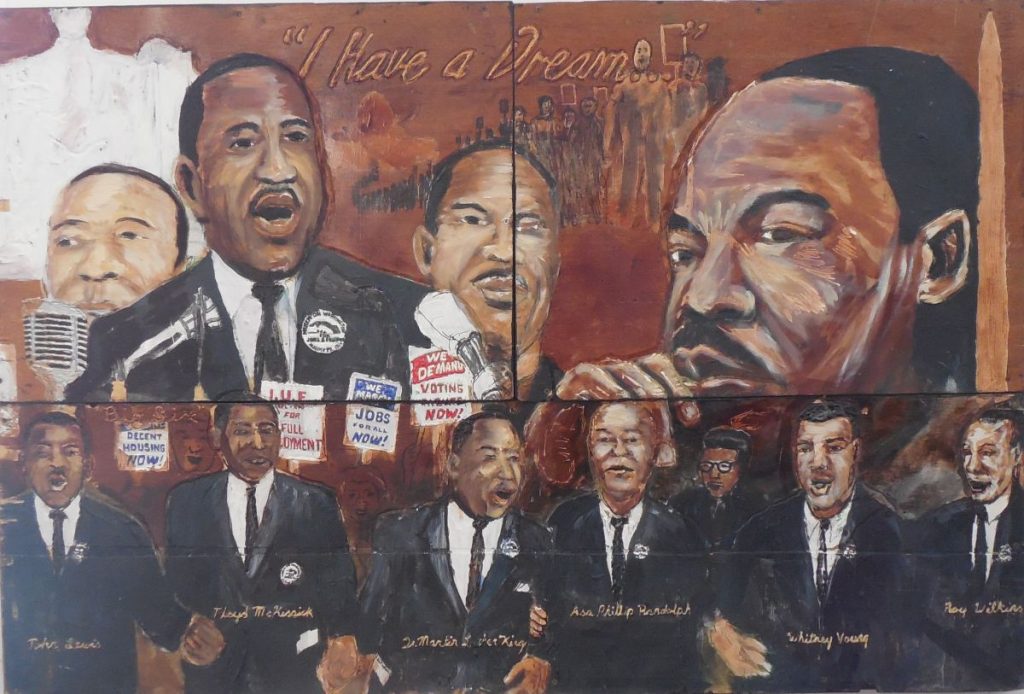
On January 15, the Reverend Dr. Martin Luther King Jr. would have celebrated his 97th birthday. King never worked directly in sports, but the world of athletics during his lifetime reflected the same racial injustice he fought every day. In the 1950s and 1960s, segregation shaped professional and college sports in ways that now seem unthinkable. When King emerged as a national civil rights leader in 1955, American sports still operated under informal and formal systems of exclusion.
Major League Baseball had not fully integrated. Several teams still employed no Black players. The National Football League enforced an unofficial quota system. Teams typically limited themselves to four Black players. Coaches and executives barred Black athletes from positions like quarterback, center, and middle linebacker. They claimed those roles required intelligence and leadership, qualities they falsely denied to Black players. Washington owner George Preston Marshall refused to sign Black players until 1962, long after other teams integrated.
College Sports and Open Resistance
College football mirrored those injustices. Many Southern universities refused to admit Black players at all. That reality existed when King helped lead the Montgomery bus boycott. Even when Northern schools traveled south, discrimination followed. In 1947, the Cotton Bowl invited Penn State to play SMU in Dallas. Organizers wanted Penn State to bench Wally Triplett, a Black player. Penn State’s response became legendary. The players stood together and said, “We are Penn State.” Triplett played.
That moment mattered. It showed that athletes could force change by standing united. Similar pressure helped end the NFL’s informal color barrier in 1946. Los Angeles Coliseum officials told Rams owner Dan Reeves he could not lease the stadium unless he signed Black players. The Rams complied, and professional football began to change.
Pro Sports and Daily Humiliation
Progress did not mean equality. The Harlem Globetrotters dominated basketball in the 1950s and drew bigger crowds than the young NBA. Still, while they entertained fans across the South, players often could not stay in hotels or eat in restaurants where they performed. Talent did not protect them from Jim Crow.
The American Football League faced that reality in 1965. Players boycotted the league’s planned All-Star Game in New Orleans after encountering segregation throughout the city. The protest forced the league to move the game to Houston. That action sent a clear message. Players would no longer accept discrimination as part of the job.
King, Robinson, and Lasting Impact
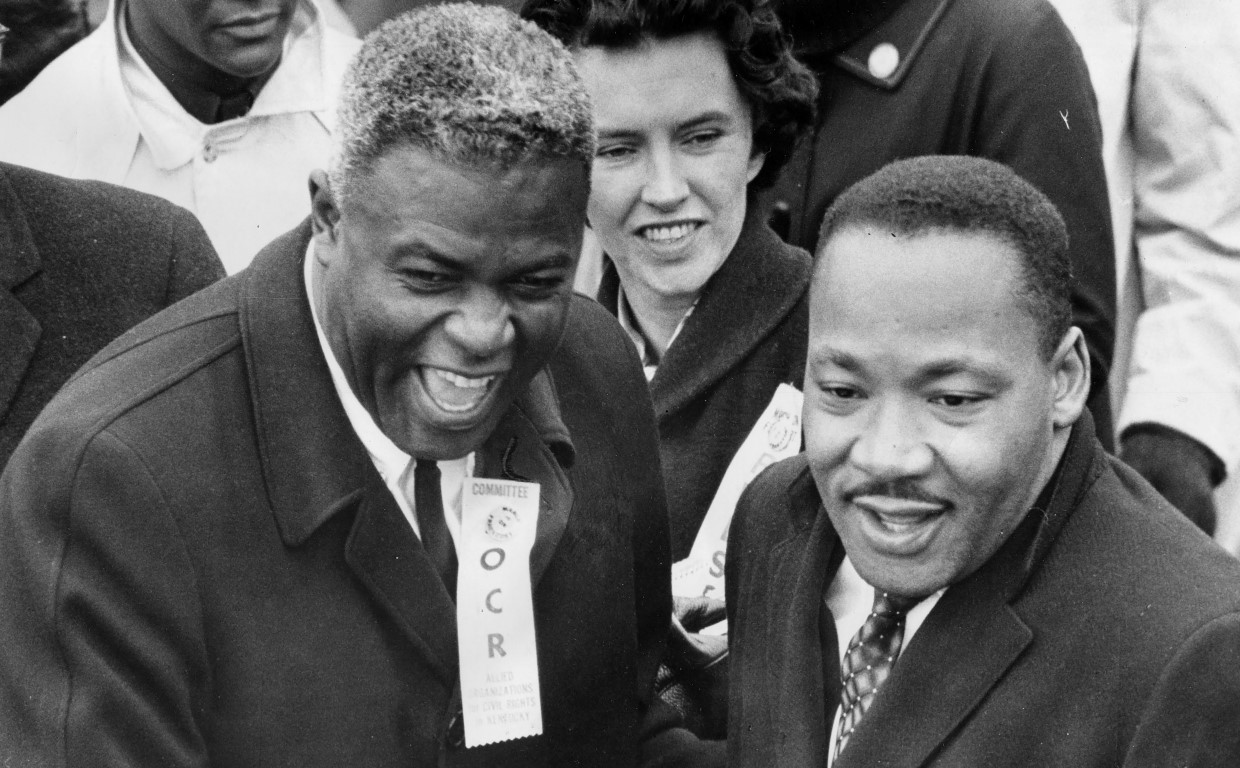
Dr. King did maintain a close relationship with Jackie Robinson, the man who broke baseball’s color barrier in 1947. Robinson understood the connection between sports and social change. King understood it too. He once said, “Jackie Robinson made my success possible. Without him, I would never have been able to do what I did.” Robinson showed America that barriers could fall. King pushed the nation to tear the rest of them down.
King was assassinated in Memphis on April 4, 1968. His legacy lives far beyond politics or protest. It lives in locker rooms, on fields, and on courts where opportunity no longer depends on race. Sports did not lead the civil rights movement, but they reflected it. They changed because men like Dr. King forced America to confront itself.
Evan Weiner’s books are available at iTunes – https://books.apple.com/us/author/evan-weiner/id595575191
Evan can be reached at evan_weiner@hotmail.com
MLK would have been 97 years old