


Germany has other areas that want the event outside of Munich as well
Bavarian Voters Signal Olympic Ambitions
Voters in Munich and across Bavaria have made their position clear. They want the Olympic Games to return to the region in the future. In a recent vote, Bavarians backed an Olympic bid by a two-to-one margin, signaling strong public support for hosting a Summer Games in 2036, 2040, or 2044.
Munich Mayor Dieter Reiter described the outcome as decisive. “There wasn’t a single outlier. All districts are backing the Olympic bid,” Reiter said. “I believe we can now approach the application with fresh energy and enthusiasm.” The result provides political momentum, but it does not guarantee Munich a place on the global Olympic stage.
Germany’s Internal Competition Comes First
Before Munich can take its case to the International Olympic Committee, it must first clear a national hurdle. In roughly a year, the German Olympic Sports Confederation will determine which region will represent Germany in any future Olympic bid.
Munich is not alone. Berlin, Hamburg, and the Rhine-Ruhr region are all competing for the same designation. Each offers different strengths, infrastructure, and political backing. Public support in Bavaria matters, but the final decision will balance logistics, cost, legacy planning, and international perception.
That internal competition ensures that even overwhelming regional enthusiasm does not translate automatically into an official bid.
History That Cannot Be Ignored
Any German Olympic bid carries historical weight. That reality looms especially large for Munich and Berlin.
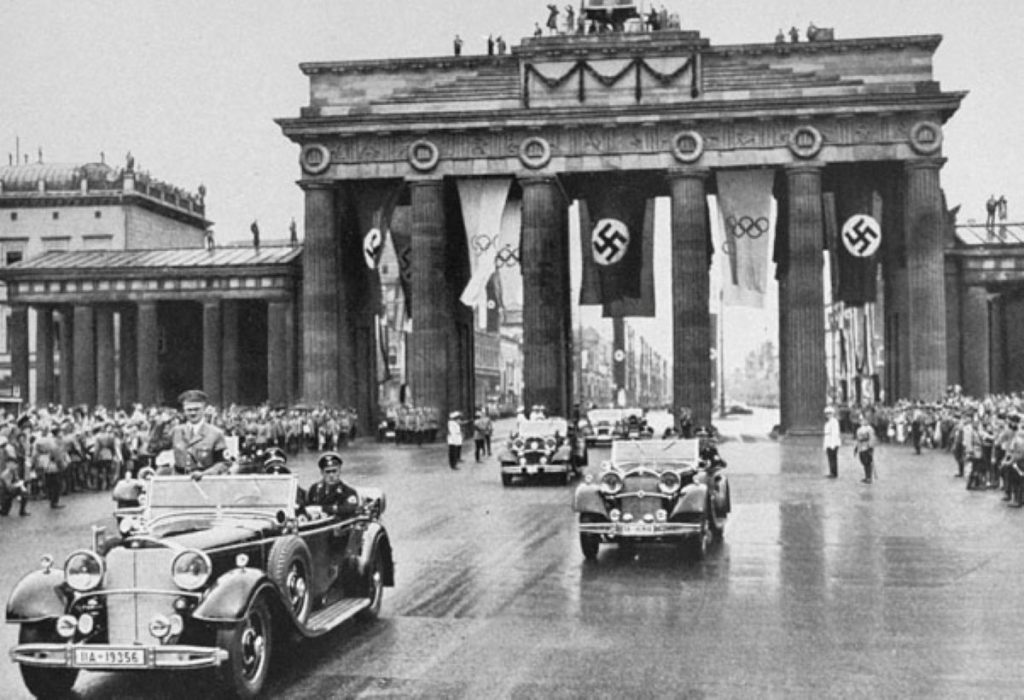
The 1936 Berlin Olympics remain one of the most controversial Games in Olympic history. Adolf Hitler attempted to use the event as a propaganda platform to legitimize the Nazi regime and project a carefully controlled image of Germany to the world. That legacy still shapes international discussions around German Olympic bids.
Munich’s Olympic history is equally complex. The 1972 Summer Games were marred by tragedy when members of the Palestinian group Black September murdered 11 Israeli athletes and officials in what became known as the Munich Massacre. The event forever altered Olympic security and left a lasting scar on the city’s Olympic legacy.
Modern Leaders, Familiar Language
In 2023, Berlin Mayor Kai Wegner publicly supported hosting the Olympic and Paralympic Games in 2036. He described the bid as an “exceptional opportunity” to present a new image of Germany to the world.
The language is strikingly familiar. In 1936, Germany also sought to reshape its global image through the Olympics. Today’s context is vastly different, but history ensures comparisons will be made.
Germany must convince the international community that it can honor the past while presenting a modern, democratic, and inclusive vision for the Games.
A Complicated Olympic Past
Germany’s Olympic history includes another forgotten chapter. In 1938, the IOC removed the 1940 Winter Olympics from Sapporo, Japan, due to the Sino-Japanese War and reassigned them to Munich. That decision came after Hitler invaded Austria and Czechoslovakia.
The Games never happened. World War II forced their cancellation.
That legacy underscores how global politics and sport often collide, sometimes with lasting consequences.
What Comes Next
Bavaria’s vote reflects enthusiasm, not entitlement. Munich has infrastructure, experience, and public backing. It also carries history that will shape every discussion.
The next step lies with Germany’s Olympic leadership. From there, the world will decide whether Munich’s future Olympic dream can rise above its complicated past.
Evan Weiner’s books are available at iTunes – https://books.apple.com/us/author/evan-weiner/id595575191
Evan can be reached at evan_weiner@hotmail.com