

Amorim Era Ends at Old Trafford After 14 Months
Manchester United have sacked Ruben Amorim after a turbulent 14-month spell that ended in a breakdown of trust between the head coach and the club’s hierarchy. The decision was confirmed on Monday morning, less than 24 hours after Amorim publicly hinted at internal interference behind the scenes.
Amorim was appointed in November 2024 and guided United to the UEFA Europa League final in Bilbao last May. Despite that European run, domestic form and growing internal tension pushed the club toward a reluctant but decisive change.
Breakdown Behind the Scenes
Sources close to the club say Amorim’s relationship with United’s leadership fractured following a heated meeting with director of football Jason Wilcox at Carrington last Friday. Wilcox called the meeting to address United’s disappointing 1-1 draw against Wolverhampton Wanderers and urged Amorim to show greater tactical flexibility.
Wilcox wanted the Portuguese coach to trust his players more and move away from the back-three system that many inside the club blamed for United’s inconsistent form. Amorim reacted badly. One insider described his response as explosive, leaving no room for constructive dialogue.
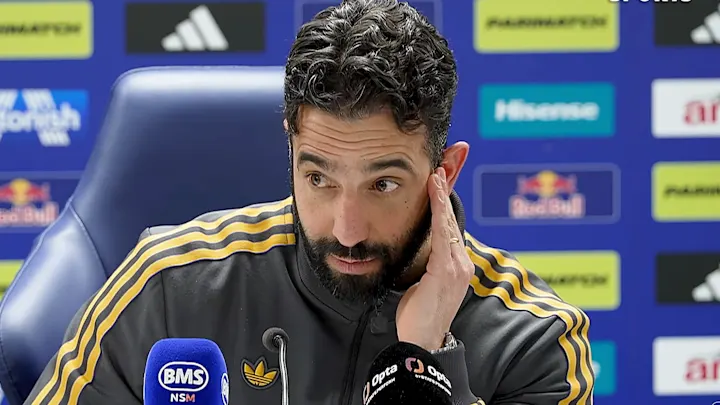
Amorim carried that frustration into his pre-match press conference, where his body language and tone hinted at deep frustration with senior figures at the club.
Tactical Stubbornness and Mounting Frustration
United’s hierarchy grew increasingly concerned about Amorim’s unwillingness to adapt. He had briefly switched to a back four during an impressive win over Newcastle United, only to revert to three central defenders against Wolves, a team rooted to the bottom of the table.
Senior figures felt United should not need to “match up” tactically with struggling opponents. That frustration intensified after the club spent more than £250 million on players they believed could operate in multiple systems.
Instead, Amorim continued to rely on the 3-4-2-1 formation that defined his managerial career. The lack of evolution became a decisive factor in his downfall.
Transfer Tensions and Public Comments
Tensions also flared over the January transfer window. Amorim pushed for a new midfielder, but United only sanctioned moves for long-term targets. Several of those players proved unavailable or destined for rival clubs.
Behind the scenes, United felt Amorim had agreed to previous recruitment strategies. His sudden public complaints during press conferences confused and irritated senior figures.
After a 1-1 draw with Leeds United, Amorim insisted he was the manager, not merely the coach, and challenged the club’s sporting department to “do their job.” Those remarks caused alarm inside Old Trafford and accelerated a decision that was already taking shape.
Decision Backed at the Top
The final call came from Wilcox and chief executive Omar Berrada, with full board support. Although Ineos chairman and co-owner Jim Ratcliffe had backed Amorim strongly, that support was not unconditional.
United officials feared the team risked missing out on European qualification. Despite sitting sixth in the Premier League and only three points off fourth, recent draws and defeats raised serious doubts about the season’s direction.
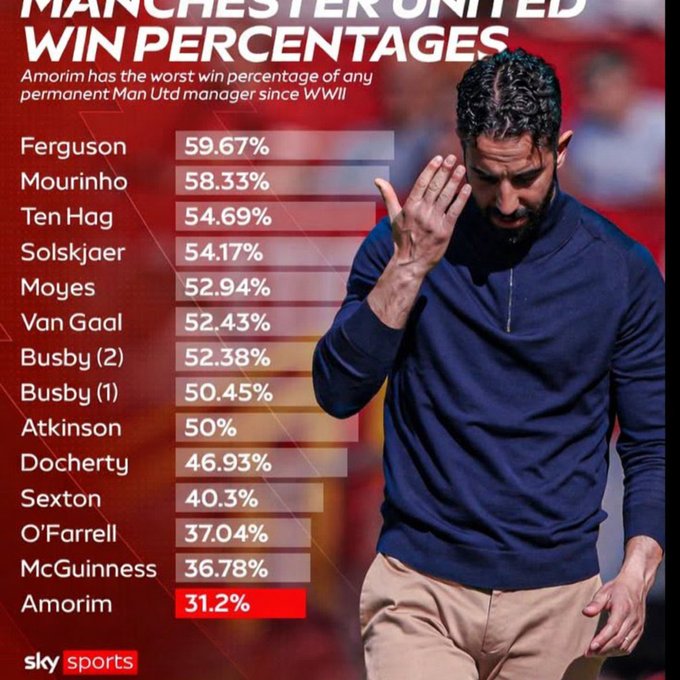
Amorim won 25 and lost 23 of his 63 matches in charge. He becomes the sixth Manchester United manager to lose his job since Sir Alex Ferguson retired in 2013.
Fletcher Steps In, Future Unclear
Darren Fletcher will take charge on an interim basis, starting with Wednesday’s match against Burnley at Turf Moor. Fletcher, a former United midfielder who spent 13 seasons at the club, currently coaches the under-18s.
United plan to appoint an interim manager until the end of the season before making a permanent appointment in the summer.
In a club statement, United said they believed the change would give the team “the best opportunity of the highest possible Premier League finish.”
For Amorim, the exit ends a spell that promised much but ultimately collapsed under pressure, rigidity, and fractured relationships at one of football’s most demanding institutions.