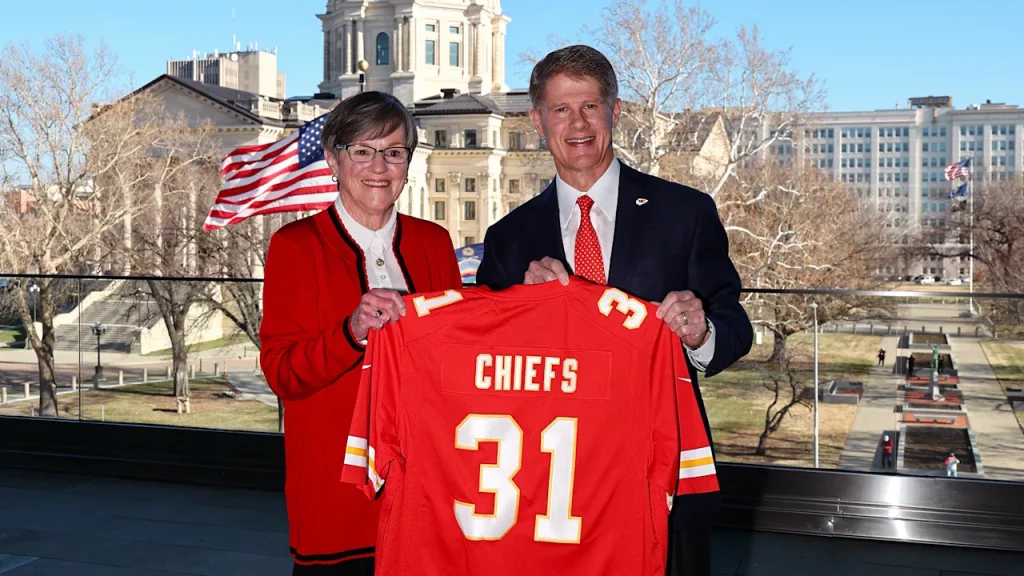


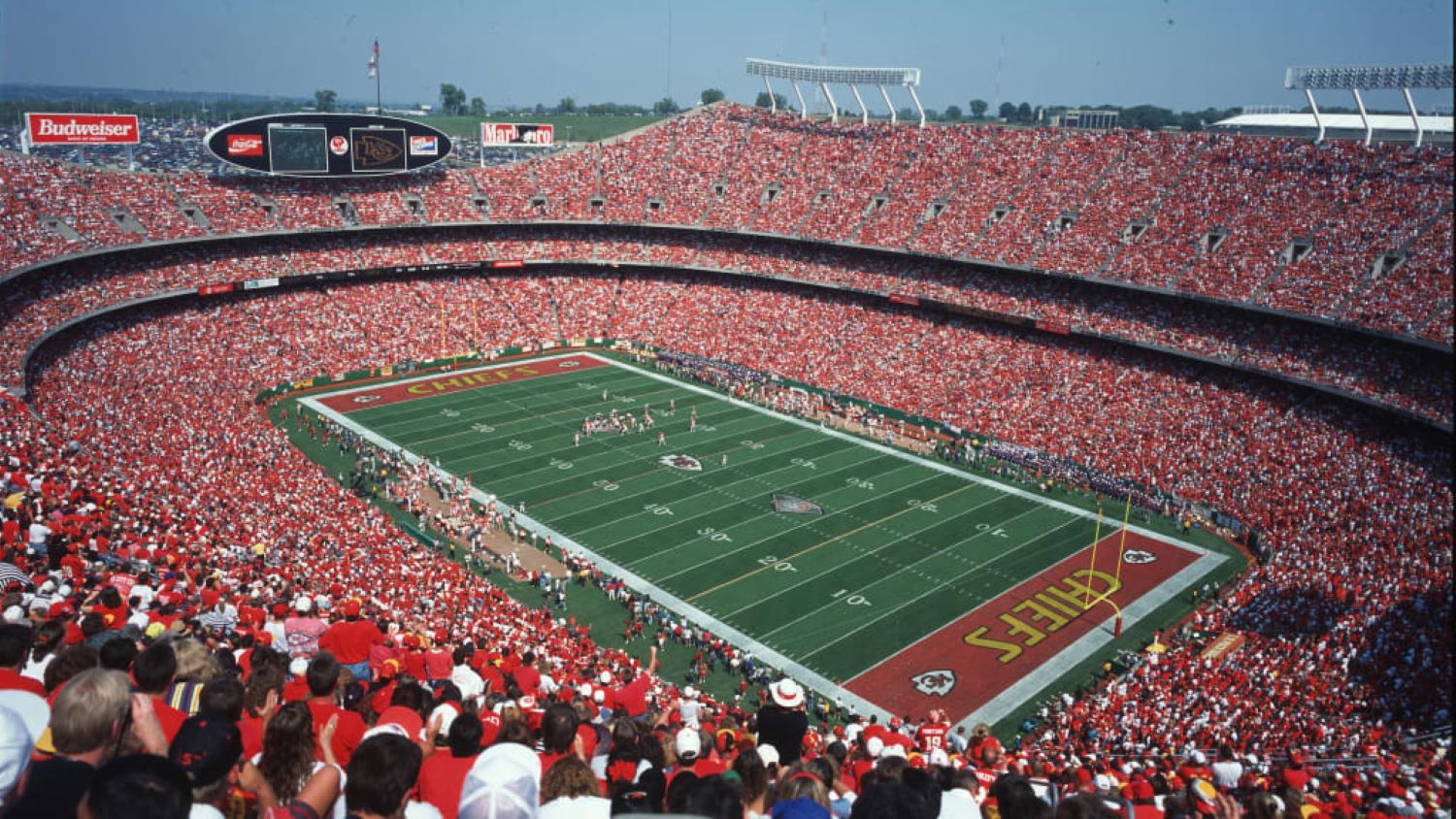
Chiefs Owner Clark Hunt Wins Stadium Battle: team will leave Missouri and make a 23-mile trek to Kansas.
The stadium tug of war between Missouri and Kansas has produced a clear winner, and Kansas has landed the National Football League’s most valuable prize. Kansas City Chiefs owner Clark Hunt has officially won the stadium game and will move his football business roughly 23 miles west, from Missouri into Kansas.
Hunt plans to build a massive stadium village in the Kansas City, Kansas area, with a projected completion date of 2031. The move will include not only a new stadium, but also team offices and a training facility, firmly planting the Chiefs’ future across state lines.
Economic Promise and Public Cost
Kansas Governor Laura Kelly quickly touted the potential upside of the move, claiming the Chiefs’ relocation could generate more than 4.4 billion dollars in economic impact for the state. State leaders view the project as a long term investment that will drive development, tourism, and job creation.
However, the financial reality is more complicated. Kansas is committing significant public resources to make the deal work, and residents may not see a direct return on their investment. The financing structure relies on a series of economic mechanisms that allow future revenue streams to pay off stadium village debt rather than traditional upfront funding.
How Kansas Sealed the Deal
Hunt’s journey to Kansas began on April 2, 2024, when voters in Jackson County, Missouri rejected a proposal to extend a sales tax. That tax would have funded renovations to the Chiefs’ existing stadium and helped Kansas City Royals owner John Sherman build a new downtown baseball park.
Kansas lawmakers moved swiftly after that vote. They approved a plan that uses STAR bonds to cover up to 75 percent of the cost of building two stadiums. Additional revenue would come from sports gambling, lottery gaming, and sales taxes generated by businesses located within the stadium development districts.
Liquor taxes also play a role. Lawmakers may allow up to 100 percent of sales tax revenue from alcoholic liquor sold within stadium districts to be used to retire bond debt tied to the projects.
Missouri’s Counter and the Royals’ Future
Missouri leaders responded with their own proposal, offering to cover up to 50 percent of construction costs for two venues in an effort to keep both franchises in state. That effort came too late for the Chiefs, but the Royals remain in play.
Now Missouri and Kansas politicians are set to compete again, this time for Sherman and his baseball business. The next chapter will determine whether Kansas completes a full sports takeover or Missouri manages to salvage part of its professional sports footprint.
A Defining Shift for the Region
Clark Hunt’s decision marks a defining moment for the Kansas City sports landscape. It underscores how public financing, voter sentiment, and political urgency now shape the future of professional franchises just as much as success on the field.
Evan Weiner’s books are available at iTunes – https://books.apple.com/us/author/evan-weiner/id595575191
Evan can be reached at evan_weiner@hotmail.com