



A Growing Trend in Lower-Division Soccer
Across the country, a wave of new stadiums is rising for United Soccer League Tier Two and Tier Three franchises. These are not massive arenas, but smaller venues designed to seat a few thousand fans. While they may look modest, their price tags are not. Taxpayers often cover a significant portion of the construction costs. These stadiums usually anchor larger “stadium-village” developments that include retail, restaurants, offices, and housing.
Local leaders often promote these projects as economic engines. They argue that stadium-villages will create jobs, generate new tax revenue, and revitalize struggling districts. In reality, the results rarely match the promises.
The Economic Reality Behind Stadium-Villages
Most of the jobs created inside these districts are part-time, per diem, or minimum-wage positions. Concessions, retail shops, and event staffing do not produce stable, long-term employment. Meanwhile, the way cities finance these projects creates another major issue.
Municipalities often establish special stadium tax districts. Under these arrangements, sales tax revenue that would normally flow into a city’s general fund gets redirected to the stadium-village developer. Instead of supporting schools, public safety, or infrastructure citywide, that money goes toward paying off construction costs for a privately controlled project.
Sports ownership has increasingly become a real estate business. At both the major league and minor league levels, owners now seek profits not just from ticket sales, but from the surrounding development. The stadium becomes a tool to unlock public subsidies for private real estate ventures.
Omaha’s Proposed USL Stadium Plan
Omaha, Nebraska may soon become the next example. The owners of Union Omaha plan to partner with the city to build a 7,000-seat soccer stadium. The venue would anchor a 20-acre development that includes retail space, shopping, and housing.
Team ownership estimates the stadium alone could cost $114 million. That figure does not include infrastructure upgrades such as roads, utilities, or public transit improvements. Those additional costs would fall on taxpayers through a municipal taxing mechanism designed to support the project.
Familiar Promises, Familiar Risks
Omaha Mayor John Ewing echoed the language used by many city leaders who back stadium-villages. He said the project would give people another reason to live, work, and play downtown while strengthening the urban core. He also described the development as an engine for jobs, housing, entertainment, and urban living.
History suggests caution. Similar projects in other cities have failed to deliver broad economic benefits. Instead, they often shift public resources toward private interests, while cities assume long-term financial risk. Stadium-villages sound attractive, but the economic math rarely works out in favor of taxpayers.
Evan Weiner’s books are available at iTunes – https://books.apple.com/us/author/evan-weiner/id595575191
Evan can be reached at evan_weiner@hotmail.com
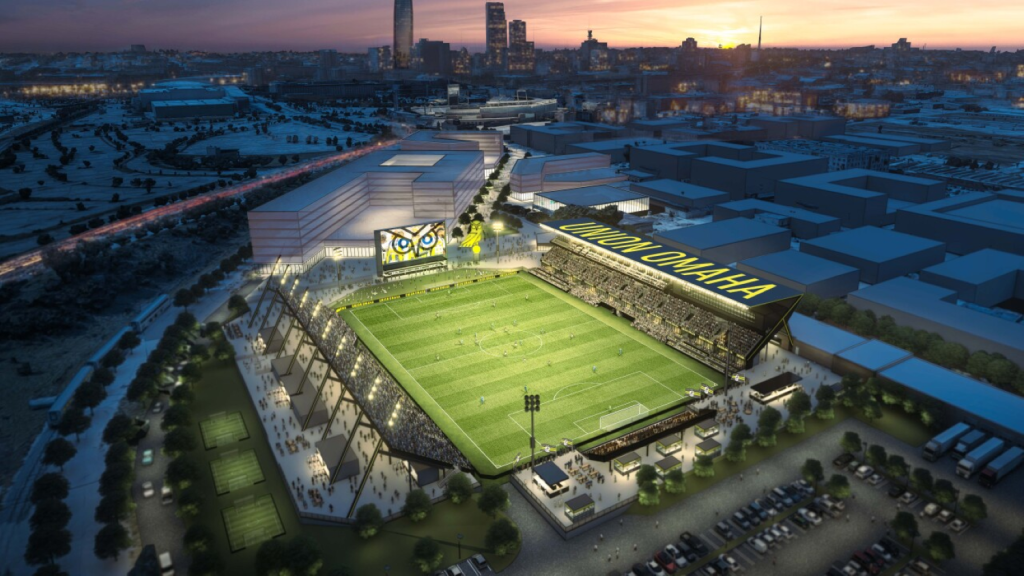
Omaha is planning to build a soccer stadiu,