

Ground Broken in Mauldin
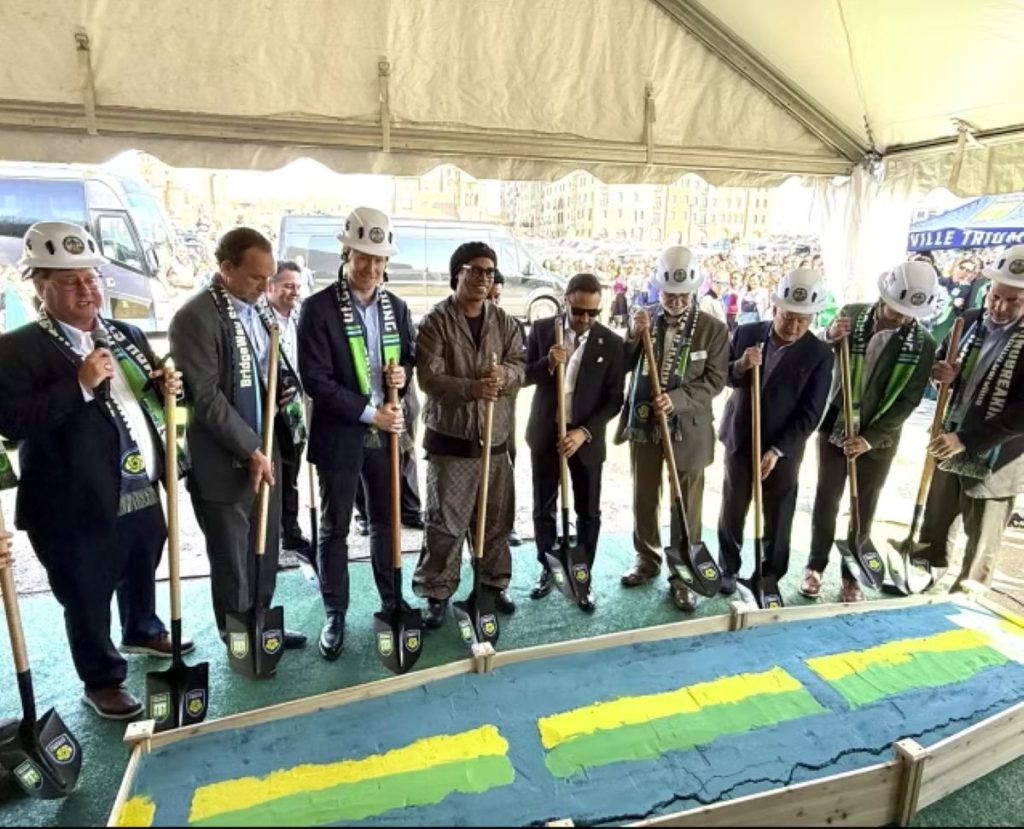
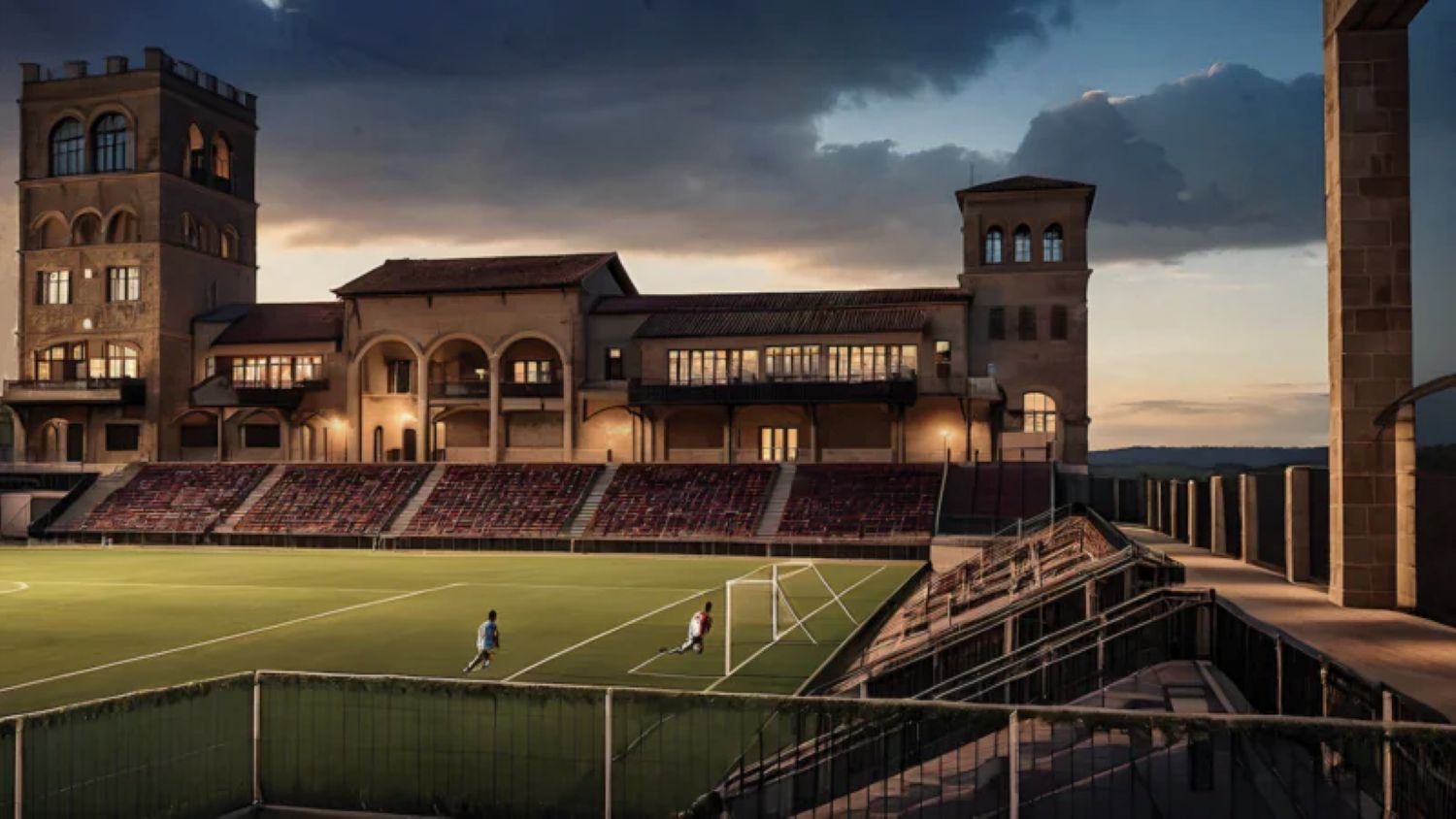
Ground recently broke in Mauldin, South Carolina on a new soccer stadium scheduled to open in 2026. The 6,300-seat venue will serve as the home for the United Soccer League’s Greenville Triumph SC and the women’s side, Greenville Liberty SC. Beyond professional soccer, the stadium will host youth and college sports, concerts, festivals, marching band competitions, and a variety of community events. Local officials and project backers have positioned the venue as a multi-use gathering space rather than a single-purpose sports facility.
Early versions of the project included plans for a 10,000-seat stadium. Developers later reduced capacity, explaining that a smaller footprint would create a “more intimate experience for fans.” That explanation mirrors language used in similar projects across the country, where scaled-down stadiums support broader development goals rather than maximizing attendance.
Stadiums as Real Estate Plays
The Mauldin project fits squarely into a growing trend in sports development. Soccer franchises at this level increasingly operate less like traditional sports organizations and more like real estate ventures. The stadium acts as an anchor, while surrounding residential, retail, and office space drives long-term revenue. Owners bank on people living, working, and spending money near the venue, regardless of whether a match takes place on a given day.
That model now defines sports development at both the major league and minor league levels. The focus has shifted from wins and losses to land use, foot traffic, and mixed-use density. Mauldin, a town of roughly 25,000 residents, has embraced that approach, meaning local taxpayers now share a financial stake in the outcome of the stadium-village whether they support it or not.
Who Pays for the Project
Public money plays a clear role in the Mauldin development. Local taxpayers will contribute $4 million toward the project. South Carolina residents will add another $10 million through state funding mechanisms. Ownership groups for the soccer franchises will invest $13.5 million, while private investors will supply an additional $45 million. In total, the project relies on a layered funding structure that blends public support with private capital.
The stadium will sit on a six-acre parcel donated by Phil Hughes, who owns Bridgeway Station, the mixed-use development that surrounds the venue. That land donation ties the stadium directly to the broader real estate plan and reinforces the project’s long-term development goals.
Community Vision or Development Deal
Hughes has framed the stadium as more than a sports facility. He described it as a hub for community pride and local growth, designed to serve as the core of Bridgeway Station and reflect where the region is headed. That vision sounds familiar in modern stadium projects, where civic language often accompanies development plans.
At its core, however, the Mauldin stadium remains a real estate-driven deal. Soccer provides the branding and the events calendar, while land development delivers the financial upside. Whether the promised economic benefits reach the broader community will become clear only after the ribbon cutting and several years of operation.
Evan Weiner’s books are available at iTunes – https://books.apple.com/us/author/evan-weiner/id595575191
Evan can be reached at evan_weiner@hotmail.com