


Oklahoma City Commits to USL Soccer
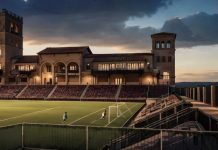
Oklahoma City will add a United Soccer League franchise in 2028, and the city has already committed to building a new soccer-specific stadium to make that happen. The venue will seat roughly 10,000 fans and will cost taxpayers about $121 million. The team owner donated the land for the project, which city leaders have framed as a public-private partnership designed to spark redevelopment and long-term economic growth.
City officials first explored the idea of a soccer stadium in 2019. At that time, estimates suggested a modest facility with a price tag of about $40 million. Since then, the scope of the project has expanded dramatically, both in size and cost, reflecting a broader vision that goes well beyond soccer alone.
Stadium-Village and Tax Structure
The stadium will anchor a larger stadium-village development, a familiar model used in many cities pursuing professional sports teams. Oklahoma City plans to use a special financial structure in which all sales tax generated within the stadium district flows back to the stadium developer. Under this arrangement, tax revenue that would normally support the city’s general fund instead helps offset construction and development costs tied to the project.
Supporters argue that the district will generate new economic activity that would not otherwise exist. Critics point out that these mechanisms often shift public dollars toward private development while limiting the immediate fiscal benefit to the broader city.
City Hall’s Economic Vision
Mayor David Holt has strongly backed the project and views it as another step in Oklahoma City’s long-term investment in sports-driven development. He has consistently argued that sports facilities have played a key role in reshaping the city’s image, economy, and downtown footprint.
Holt has cited previous projects involving whitewater, softball, basketball, and baseball as proof that public investment in sports infrastructure can deliver tangible community benefits. He believes soccer, as the world’s most popular sport, represents a logical next step in that strategy and one the city committed to when it launched the MAPS 4 initiative in 2019.
Rising Costs and Public Commitments
The original stadium budget grew over time with the addition of tax increment financing funds and later received a significant boost through a voter-approved bond issue in October. City leaders now say the revised budget finally matches the ambition of the project and allows Oklahoma City to pursue its short-term soccer goals.
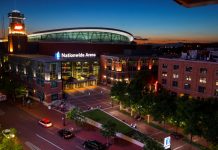
At the same time, the city is also moving forward with a new basketball arena expected to cost taxpayers around $1 billion. Together, the two projects represent a massive public investment in sports infrastructure, one that places Oklahoma City among the most aggressive markets in the country when it comes to taxpayer-funded venues.
Whether these projects deliver the promised jobs, development, and economic return remains a question only time can answer.Evan Weiner’s books are available at iTunes – https://books.apple.com/us/author/evan-weiner/id595575191
Evan can be reached at evan_weiner@hotmail.com

Planned Oklahoma City soccer stadium