

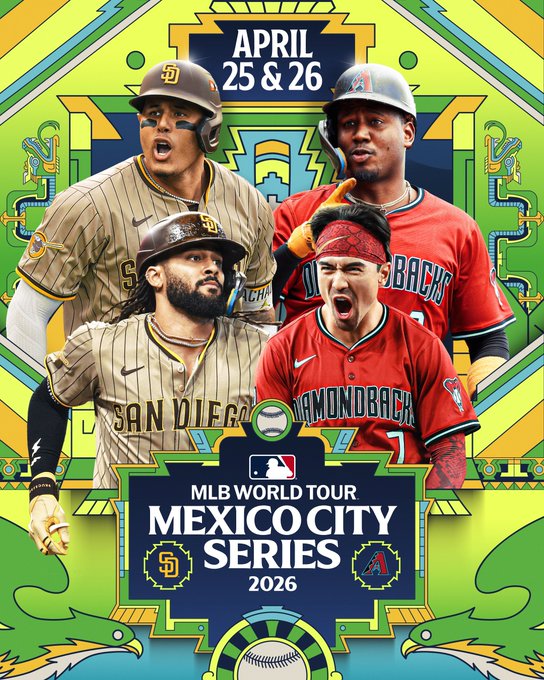
MLB plans to play two games in Mexico City in April.
MLB Returns to Mexico City, But Expansion Is Another Matter
Major League Baseball will play two regular-season games in Mexico City on April 25 and April 26 as part of its ongoing international push. The Arizona Diamondbacks and San Diego Padres will take the field at altitude, giving MLB another high-profile showcase outside the United States. Still, the games should not be mistaken for a signal that Mexico City is next in line for an expansion franchise.
MLB understands the Mexican market well. The league has been sending teams south of the border for exhibitions and regular-season contests for decades. These trips generate publicity and goodwill, but they are also controlled experiments. They allow MLB to test fan interest, logistics, and commercial appeal without making long-term commitments.
A Complicated History With Mexican Baseball
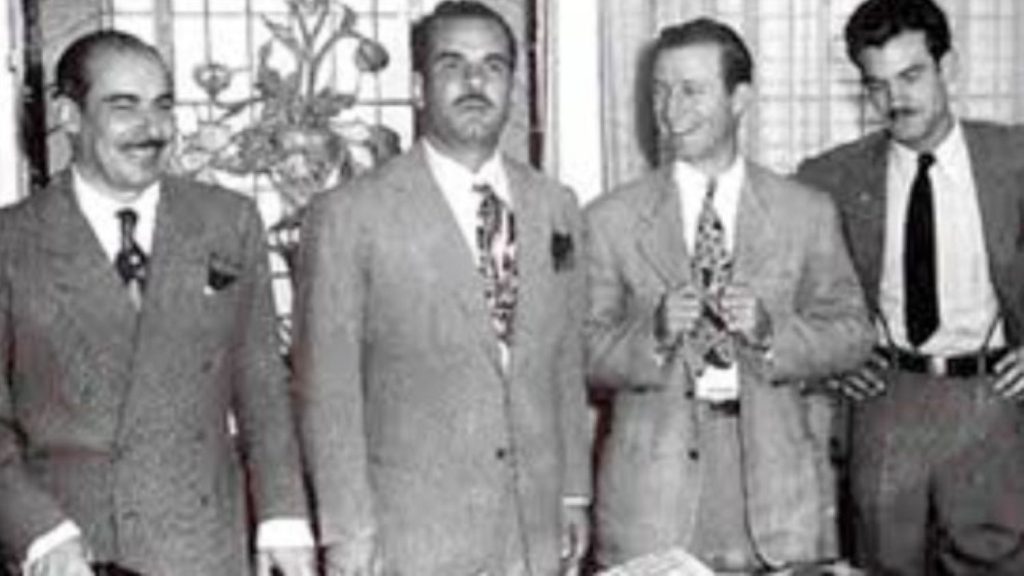
MLB’s relationship with Mexico dates back nearly 80 years and includes one of the most turbulent chapters in league history. In 1946, Mexican businessman Jorge Pasquel attempted to create a rival major league that would challenge MLB’s power. At the time, MLB consisted of just 16 teams split between the American League and National League, with owners operating largely independently.
Pasquel first signed stars from the Negro Leagues, then escalated his challenge by targeting MLB players directly. He lured names such as Junior Stephens, Sal Maglie, Hal Lanier, and Mickey Owen with lucrative contracts. He even pursued icons like Ted Williams, Bob Feller, Stan Musial, and Phil Rizzuto.
The plan ultimately collapsed, but the fallout was significant. MLB commissioner Happy Chandler imposed lifetime bans on players who jumped to the Mexican League. That hard line led to legal trouble.
Legal Battles That Changed MLB Policy
In 1947, outfielder Danny Gardella sued MLB, arguing that the bans and the reserve clause violated antitrust laws. The case forced MLB to reconsider its approach. In 1949, the league settled with Gardella, granted amnesty to the banned players, and quietly backed away from its harsh stance.
That episode left a lasting mark. It reminded MLB owners of the risks involved in international competition and labor disputes. Mexico became a familiar but carefully managed market rather than a frontier for aggressive expansion.
Expansion Talk Still Centers Elsewhere
Roughly 30 years ago, Colorado Rockies owner Jerry McMorris floated Monterrey as a possible expansion city. Monterrey’s industrial base and proximity to Texas made it more appealing than Mexico City in ownership circles. Even then, the idea never gained serious traction.
Today, MLB’s Mexico City games serve a clear purpose. They grow the brand, sell merchandise, and attract global attention. Expansion, however, remains a separate conversation. History, logistics, and economics continue to make MLB cautious when it comes to placing a permanent franchise in Mexico.
Evan Weiner’s books are available at iTunes – https://books.apple.com/us/author/evan-weiner/id595575191
Evan can be reached at evan_weiner@hotmail.com